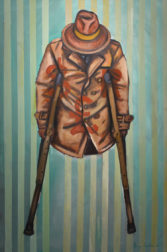
Thulile Gamedze reflects on the urgency of creative, transdisciplinary practices for black women in postcolonial spaces, thinking through artist, collaborator in iQhiya collective (1), and friend Sisipho Ngodwana’s work.

Thulile Gamedze reflects on the urgency of creative, transdisciplinary practices for black women in postcolonial spaces, thinking through artist, collaborator in iQhiya collective (1), and friend Sisipho Ngodwana’s work.

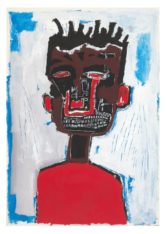
Basquiat was educated by New York which quite literally became his canvas and eventually also his coffin.(….) Basquiat’s life, work and death mirrored New York’s own cycle of growth, destruction and rebirth and is so linked to it that his reputation is almost as notorious as the city itself.

The Sheltering Pixel is a very personal meditation of a non-African artist but who has matured his discourse and his way of looking, thanks to African artists in the Diaspora, whose knowledges and art works have raised issues such as the representation of the Other.

Horror is often cited as the genre that reflects our deepest, darkest and most base fears and this is why it is the rawest platform to explore society. The best films evoke the visceral, emotional and mental demons that reside within us and as such it is clear that race is a demon that still frightens society. The catch is that ‘society’ has meant white society and so the threat of the Other has always been present. Therefore the two-dimensional, reductive portrayals of black and minority characters have endured.

The politics behind our Zeitz MOCAA Social Practice and performance production and the storyline it currently tells have raised questions about the way that this story will be written as well as how much of a say Africans really have in the discourse around African Art.