africanah.org

Arena for Contemporary African, African-American and Caribbean Art

Archive: articles

The Harlem Renaissance at 100: as black as it was gay

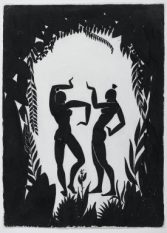
GAYHRichard Bruce Nugent (American, 1906-1987). Dancing Figures, ca. 1935CollBrooklynMuseum

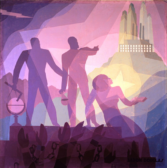
Around 1918, at the end of the First World War, an unprecedented cultural revival took place in Harlem. It made history and was known as the Harlem Renaissance. Writers, poets, artists, musicians, actors and theorists proudly showed what the New Negro was capable of. For the first time, African Americans felt valued and respected.

Much about that important period in black history has been published. For a long time, however, it was concealed that many of the Harlem Renaissance tastemakers were gay. It was thought that making that public would undermine the euphoria.

This essay by Rob Perrée is about this aspect of the Harlem Renaissance. Because of the Harlem Renaissance exhibition in The Met in New York we publish this essay again. .
Richard Bruce Nugent, Dancing Figures, c. 1935, copyright Thomas Wirth

Read more »

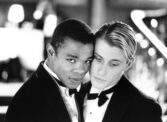
Isaac Julien: Looking for Langston

IsaacE

One of Julien’s aims in his work is to break down the barriers between different art forms like dance, film, poetry and so forth. So far this has been achieved and in doing so, Julien’s viewers are shown how to break down the perceived barriers of sexuality, class, culture and race.

Christabel Johanson on Looking for Langston of Isaac Julien
Looking for Langston, 1989, Courtecy the artist and Victoria Miro, London/Venice. Copyright the artist
First published: February 5,2022. Because of the Harlem Renaissance exhibition in The Met in New York, we publish the essay again.

Read more »

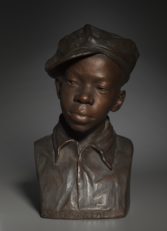
Augusta Savage: Renaissance Woman

SavageGamin1929

In February 2024, The Metropolitan Museum of Art will present the groundbreaking exhibition The Harlem Renaissance and Transatlantic Modernism. Through some 160 works, it will explore the comprehensive and far-reaching ways in which Black artists portrayed everyday modern life in the new Black cities that took shape in the 1920s–40s in New York City’s Harlem and Chicago’s South Side and nationwide in the early decades of the Great Migration when millions of African Americans began to move away from the segregated rural South. The first survey of the subject in New York City since 1987, the exhibition will establish the Harlem Renaissance as the first African American–led movement of international modern art and will situate Black artists and their radically new portrayals of the modern Black subject as central to our understanding of international modern art and modern life.
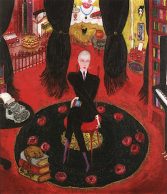
Augusta Savage is one of the artists in this exhibition
Gamin, 1929
This article is first published July 19, 2019

Read more »

James Barnor. A Retrospective

James Barnor, Pearly King, Petticoat Lane Market, London, 1960s, Courtesy Galerie Clémentine de la Féronnière

James Barnor’s work is remarkable but not just for the lifespan of years recording culture around the world. In Barnor’s work you can feel the richness of life behind the portraits.

Christabel Johanson on British-Ghanaian photographer James Barnor
Pearly King Petticoat Lane Market, London 1960s, Courtesy Galerie Clémentine de la Féronnière.
First published: October 6, 2021

Read more »

Jennifer Packer at Serpentine Galleries London

Jennifer6

Packer has previously said she has contemplated the devotion and fixation artists put into the process of creating. As such the show’s name is derived from a scripture in the Bible, “All things are full of weariness; a man cannot utter it; the eye is not satisfied with seeing, nor the ear filled with hearing”.

Christabel Johanson writes about the American artist Jennifer Packer.
Jess, 2018. Photo Jason Wyche. Courtesy Sikkema Jenkins & Co, New York
First published: February 6, 2021

Read more »