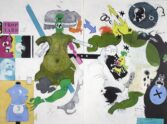
While the fair 1-54 gave a stage to contemporary African art, works by other black artists were on display in several other locations in London.
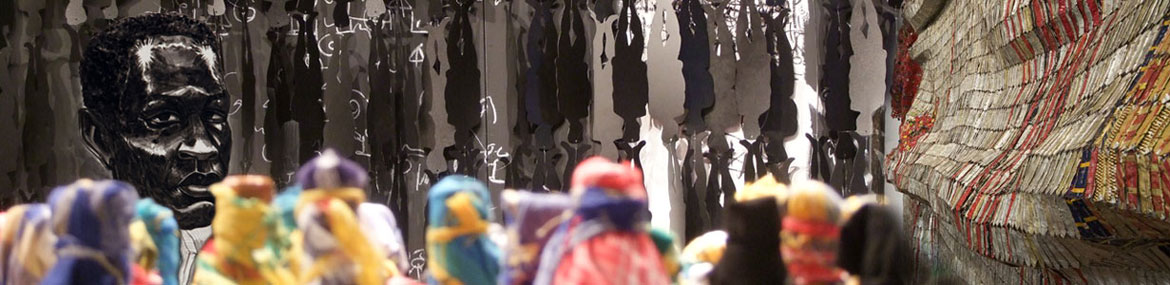
While the fair 1-54 gave a stage to contemporary African art, works by other black artists were on display in several other locations in London.
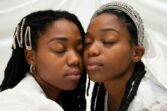
“We use Afrosurrealism as a visual framework, drawing on mythology and symbolism, as well as our personal experiences as artists, to present new ways to imagine spiritual identity.”
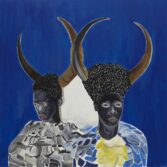
With washy and matte strokes, Muholi portrays herself in allusive physical forms, referencing both Zulu legends and gender disidentification imagery. Still, it is the striking presence, involving an unretractable gaze that infiltrates the viewers’ attention, and which is intrusively compelling.
The exhibition discoursed the theme of powerlessness through the stories of a sex worker who became a prophetess, Madzimai Catherine in the Nyenyedzi Nomwe Apostolic Church. Mukwazhi sought to subvert the traditional power relations imposed on women’s bodies by patriarchal structures.
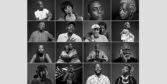
“We Are Here (Brooklyn) is a celebration of Bedford-Stuyvesant’s rich cultural legacy- a testament to its past and present … centers images and stories of long-time Bed-Stuy residents, cementing their place as neighborhood icons in the name of resilience and permanence.”