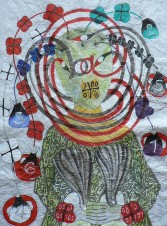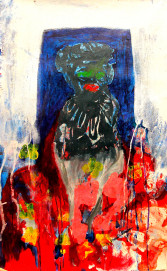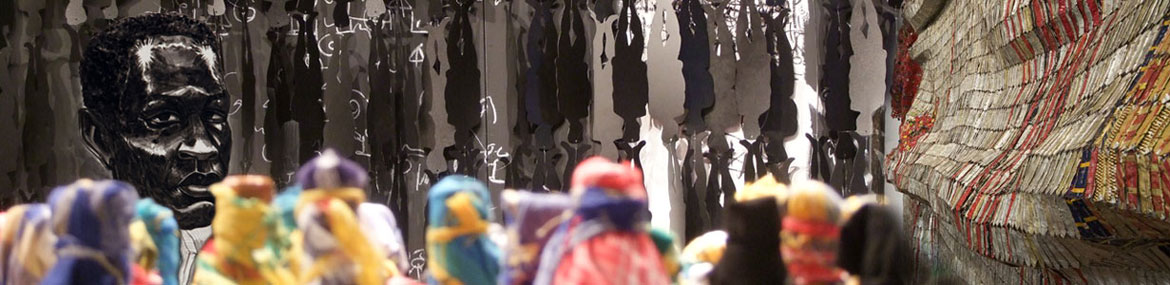

Rob Perrée stayed for one month in Paris to experience Paris after the terror attacks of last year, but most of all to meet with contemporary African artists, to visit their studios or shows. Here a report of his trip.

Rob Perrée stayed for one month in Paris to experience Paris after the terror attacks of last year, but most of all to meet with contemporary African artists, to visit their studios or shows. Here a report of his trip.

“By bringing different views to some of the problems in society art can challenge us to see if it is done like this or like that is it really that different. On the other hand, viewing art is a bit like listening to a church sermon, you might take in some of the message but you can’t take it in all at once. And I suppose it’s what you do with that message that ultimately counts.”

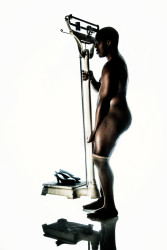
When articulating this series of images, Sibeko unpacks how during his formative years he hated men. To him, male role models were in short supply. His childhood development was shared with his grandmother and uncle. This particular uncle was an alcoholic and thus constantly in a state of drunkenness. Lesime states that it was “a brutal, violent and sad home”. These feelings of brutality and violence are echoed through the vulnerability of the naked body.

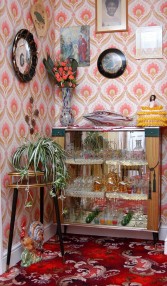
The work of two British born artists – Michael McMillian’s Inna Joburg situated above, and Christine Checinska’ The Arrivants below – shown at the University of Johannesburg’s gallery FADA reconstruct quotidian moments that tend to vegetate into the margins of history.

The work of M2 is sited (or at least plays a part) in the culture of the city; it is produced as a response to the urban and as a result contributes to producing city life. In this case, the future of art may well be urban. However, if this is to be the case, I would argue that art’s role relies in its ability to not only depict everyday life but to also disturb it – to give it new meaning and purpose. The work of M2 achieves this.